All Posts By

John Bond

What Is Greenwashing, and Why Does It Mislead Consumers?

By Latest News No Comments

Greenwashing—when companies trumpet their “environmentally friendly” or “eco friendly” credentials without meaningful action—has become a pervasive problem in today’s marketplace. From sugary cereals boasting “all‐natural” packaging to “gluten free” snacks that hide high levels of refined carbohydrates, misleading labels can lure well-intentioned shoppers into choices that don’t live up to their promises.

In this deep dive, we’ll explore the psychology fuelling greenwashing, why consumers fall for it, and how to spot the red flags. We’ll also share practical tips—like how to read the ingredient list and scrutinise nutrition facts—so you can make truly informed decisions.

What Is Greenwashing—and Why Does It Matter?

At its core, greenwashing is a marketing tactic. A company might emblazon a leafy logo, tout vague “environmental responsibility” initiatives, or slap an “eco friendly” badge on a food product—all while its manufacturing process remains unchanged.

Why should you care? Greenwashing can:

  • Mislead consumers into paying premiums for products that aren’t greener than standard alternatives.
  • Erode trust in genuinely sustainable brands.
  • Obscure the environmental impact of industries—making it harder to hold companies accountable.

The Halo Effect: Why a Green Label Feels “Better”

One key psychological trigger at play is the halo effect. When we see a label claiming “environmentally friendly,” our brains subconsciously assign other positive attributes—like healthfulness or purity—to the same product. As a result, we might assume that a bar labelled “gluten free” is also lower in added sugars, or that a soda with a green leaf icon contains more natural ingredients.

Schuldt JP. Does green mean healthy? Nutrition label color affects perceptions of healthfulness.
Schuldt, J. P. (2013). Does Green Mean Healthy? Nutrition Label Color Affects Perceptions of Healthfulness. Health Communication, 28(8), 814–821. https://doi.org/10.1080/10410236.2012.725270

Research shows these snap judgments are pervasive: for example, Jonathon P. Schuldt (2013) demonstrated that consumers rated a candy bar as significantly healthier when its calorie count was displayed in green versus red, even though the bars were nutritionally identical.

Likewise, packaging studies consistently find that green hues and “leaf” icons evoke notions of purity and low calories, leading us to gloss over ingredient lists or portion sizes in favor of the feel-good label.

Misleading Labels in Packaged Foods

Packaged foods are a hotbed of greenwashing tactics. Here are some terms to watch out for:

  • “All-Natural”: No regulated definition—manufacturers can use it on anything from potato chips to chicken nuggets.
  • “Gluten Free”: Essential for those with celiac disease, but often slapped on products that are otherwise nutrient-poor.
  • “Made with Real Fruit”: May sound wholesome, yet the product can still be loaded with added sugars or artificial colours.
  • “Non-GMO” and “Organic Lite”: While meaningful in some contexts, these claims can distract from high levels of saturated fat or sodium.

Before you get swayed, always check the list of ingredients and nutrition facts panel. The U.S. Food and Drug Administration’s guide to the Nutrition Facts Label helps decode vital info—like serving size, calories per serving, and daily value percentages.

Why Consumers Fall for Misleading Health Claims

Human brains are wired for shortcuts. When we shop in a busy grocery aisle, we rarely compare every single product feature. Instead, we rely on:

  1. Social Proof: If a friend raves about a “clean label” snack on social media, we’re more likely to try it.

  2. Authority Bias: A celebrity endorsement can make a product seem superior, even if the endorser has no nutritional expertise.

  3. Colour and Packaging: Shades of green, earth tones, and eco-themed imagery prime us to think “natural.”

  4. Scarcity: Limited-edition “organic” or “climate neutral” runs trigger a fear of missing out.

Marketers exploit these cognitive biases to mislead consumers. By understanding them, you can pause before that impulse purchase and ask: “Is this backed by real data?”

The Role of Nutritional Labelling and Food Labelling Laws

Regulations around food labelling vary by country, but most governments require a nutrition facts panel and an ingredient listed section. In the U.S., for instance, manufacturers must disclose:

  • Calories per serving size
  • Total fat, sodium, sugars (including added sugars), and more
  • A complete list of ingredients in descending order by weight

However, loopholes exist. Companies can highlight a single nutrient—like “0g trans fat”—while hiding high levels of sodium or sugar. They can frame the nutritional labelling to look cleaner, using typography and colours to steer your attention away from less-healthy numbers.

Social Media’s Influence on Eco-Claims

In the age of Instagram influencers and TikTok reviews, buzz around “climate conscious” snack bars or “responsibly sourced” beverages can spread like wildfire. In fact, over half of consumers (53%) say a brand’s transparency on social would cause them to consider it for their next purchase—and 37% say they’d buy more from a company that’s transparent on social.

Yet, while consumers increasingly reward brands for social media transparency, many eco-friendly claims shared online lack the evidence to justify that trust.

Always ask yourself:

  • Did they cite a peer-reviewed study or government report?
  • Is there any data on actual resource use or waste reduction?

Environmental Responsibility vs. Marketing Spin

True environmental responsibility involves comprehensive actions—like reducing greenhouse gas emissions, minimising water use, and ensuring fair labour practices throughout the supply chain. But marketing departments know these details won’t fit on a front-of-package label.

Beware of terms such as:

  • “Carbon neutral”: Does it involve real emission reductions, or just the purchase of offsets?
  • “Biodegradable”: Under what conditions? Industrial composting? Backyard compost?
  • “Sustainably sourced”: Which ingredients, and based on what certification?

For reliable guidance, check third‐party certifications—such as Fair Trade, Rainforest Alliance, or USDA Organic—and look up their standards. A true eco-certification body will publish criteria online, instead of relying only on a trademarked logo.

Case Study: The Pitfalls of “Gluten Free” Marketing

The “gluten free” trend began as a lifesaver for those with celiac disease or gluten intolerance. However, it’s become a catchall label that implies healthfulness. Many “gluten free” packaged foods compensate for missing wheat proteins by adding refined starches and sugars, inflating calorie counts without offering meaningful nutrition.

A recent cross-market comparison by Bathrellou & Kontogianni (2024) examined 351 cereal-based gluten-free products and 562 gluten-containing equivalents in Greece and found that, although overall nutrient profiles were largely comparable, roughly 25 % of gluten-free items still showed an “unhealthy” profile—high in fat, sugar, or sodium—even when a “gluten free” badge was front-and-center.

Bathrellou, E., & Kontogianni, M. D. (2024). Nutritional value of cereal-based gluten-free products and comparison to that of gluten containing counterparts in the Greek market.
Bathrellou, E., & Kontogianni, M. D. (2024). Nutritional value of cereal-based gluten-free products and comparison to that of gluten containing counterparts in the Greek market. International Journal of Food Sciences and Nutrition, 75(7), 664–672. https://doi.org/10.1080/09637486.2024.2397057

By zeroing in on the “gluten-free” claim and ignoring the nutrition facts, consumers can unwittingly select products that contribute to blood-sugar spikes and excess sodium intake.

How to Spot and Avoid Greenwashing

  1. Read Beyond the Front Label
    Don’t stop at buzzwords. Flip the package and examine the list of ingredients and the serving size. A “100 calories per bar” claim may be per half-bar serving—so you’re actually eating 200 calories.

  2. Check for Third-Party Verification
    Genuine environmental responsibility claims will be backed by transparent standards. Look for recognised logos (e.g., USDA Organic, Fair Trade) and visit certifier websites to review their criteria.

  3. Scrutinise Health Claims
    Claims like “heart healthy” or “supports immunity” may not require FDA approval. Verify them against trustworthy sources.

  4. Follow the Money
    Research whether the brand’s parent company has a documented environmental record. A single sustainable line within a larger, less-green conglomerate might be nothing more than a PR stunt.

  5. Use In-Depth Apps and Databases
    Apps like Fooducate let you scan barcodes to reveal hidden additives, levels of added sugars, and questionable chemicals—helping you look past superficial food labelling.

Practical Tips for Healthier, More Sustainable Choices

  • Compare Similar Products: Line up two cereals side by side and check both the nutritional labelling and the list of ingredients. Which one has less sugar and fewer preservatives?
  • Buy Whole Foods When Possible: Fresh produce, beans, and unprocessed meats rarely require marketing claims to prove their purity.
  • Cook at Home: When you control the serving size, ingredients, and cooking methods, greenwashing can’t touch you.
  • Support Transparent Brands: Look for companies that publish annual sustainability reports, with clear metrics on energy use, waste reduction, and labour practices.
  • Share Your Findings: Use social media to spotlight brands with genuine environmental responsibility, and call out those that fall short.

Looking Ahead: The Role of Regulation and Consumer Advocacy

As greenwashing grows more sophisticated, governments and watchdogs are stepping in:

  • The U.S. Federal Trade Commission’s Green Guides offer guidance on environmental marketing claims.
  • Under its Circular Economy Action Plan, the EU has put forward a Directive on Green Claims to harmonize and enforce environmental labeling and launched the Ecodesign for Sustainable Products Regulation to set mandatory durability, reparability and recyclability criteria—effectively tightening eco-labeling standards across the single market. Circular Economy Action Plan.
  • Grassroots movements—like the #LabelGoodLife campaign—pressure brands to move from buzzwords to meaningful action.

Ultimately, the best defence against greenwashing is an informed, empowered consumer. By combining critical thinking with a healthy dose of skepticism, you can ensure that the food labelling and health claims you trust truly reflect a product’s merit.

Conclusion

Greenwashing preys on our desire to do good—to protect the planet, to eat healthily, and to feel socially responsible. But sly marketing can twist these noble aims into mere sales tactics. By understanding the psychological traps—like the halo effect and authority bias—and by learning to read the nutrition facts, serving size, and ingredient listed panels, you reclaim control over your choices. Remember: an “eco friendly” logo doesn’t guarantee integrity, and “gluten free” doesn’t equal healthy.

Next time you reach for a packaged snack or an eco-branded beverage, slow down, click through to reputable sources, and demand real transparency. Your body, your wallet, and the planet will thank you.

Sharing is caring!

The post ( What Is Greenwashing, and Why Does It Mislead Consumers?) appeared first on Visual Marketing Australia.
Source: Source link

Why Mobile Optimisation Improves Your Google Search Presence – Visual Marketing

By Latest News No Comments

In the contemporary digital world, having a stiff online presence is no longer an option but a necessity. Mobile optimisation is the critical factor beside other things that influence search engine rankings.

Google acknowledges that more than 60% of global web traffic comes from mobile devices, which are continually improving and ranking websites.

If your website is not mobile-optimised, ranks will probably be hard to come by. So, why does mobile optimisation accrue such importance, and what benefits does a Google search presence accrue from mobile optimisation? Let’s find out.


Mobile First Era

Moving to mobile-first indexing means that Google now gives priority to the mobile version of your website to rank and index your pages. In other words, if your site is not mobile-optimised, then Google finds it hard to understand and rank it. This change mirrors the present user behaviours — most people are busy searching, browsing, and shopping on their smartphones. Hence, a mobile-optimised layout ensures an incredible user experience, and that is nurtured and rewarded by Google with a higher rank.


A classic example for clarity- a user types in ‘best running shoes’ from a mobile phone. A mobile-optimised website may appear in a disarray, with text too small to read or buttons so close that it is impossible to click them. Users feel frustrated and are highly likely to jump off your website and go to your competitor. Google will see this action as signs that your website is providing a low quality user experience and will punish you with a lower rank. A mobile-friendly site that is easy to navigate and fast in loading will, on the contrary, keep users on your site and instruct Google that it deserves an excellent ranking due to value.

Related reads:

Enhanced Experience of Users Must Translate into Better Ranks

Improving the users’ experience from the mobile optimisation is not for Google alone. It is for the users themselves. Mobile responsive websites that load fast engage users and reduce bounce rates. When users spend more time on your site interacting with good content, Google takes this as a positive signal that will improve your ranking on search engines. However, a poorly optimised mobile site is frustrating to users, increases bounce rates, and ranks low.


A sample is when you are crafting an e-commerce store selling handmade jewellery. If the mobile site is clunky, images take ages to load, and checkout requires hours of scrolling, chances are rue that your site would be abandoned at the cart checkout. Just the opposite, a fully optimised mobile site with clear, attractive pages that load quickly and a streamlined checkout would compel people to complete the sale. Good for conversion rates but, more importantly, sends a message to Google that you offer a user-friendly experience and, in turn, helps you climb those search rankings.


Faster Load Times Count

It’s a vital aspect not only for users but also for SEO. Websites loading in less than three seconds are what’s expected by mobile users; if it exceeds that, it is likely they will ditch the site. Google’s algorithms favour fast-loading websites for ranking, especially when it comes to mobiles. Optimisation of this site for mobile increases user satisfaction and gets in line with Google’s performance metric.


Take for instance a news website covering breaking stories. If it takes five seconds to load on mobile, a reader will lose interest and switch to a site that loads instantly. It will not only drive traffic away but would also affect ad revenue and search rankings with it. On the contrary, a news site optimised for mobile, good loading time, and responsive design will keep many readers glued and make them return for future updates. This positive user behaviour is recognised and rewarded by Google with better visibility for the site in the search results.


Local SEO Benefits

Mobile optimisation matters, especially for local businesses. Most mobile searches are location-sensitive; for instance, “coffee shop near me” or “plumber in [city].” If your site is mobile-friendly, your business will show up in these local search results, thereby increasing foot traffic and conversions. Google My Business and other local SEO tactics will ensure that mobile optimisation maximises your visibility.


As in the case of a small bakery in London, it’s more likely to be found in the search results when someone nearby searches for “fresh croissants near me” if it has a mobile-optimised website. A mobile-friendly site that includes contact information, a clickable phone number, and easy map navigation would also allow customers to find the bakery quickly. Further, merging Google My Business with correct hours of operation, photographs, and reviews will strengthen local SEO benefits so that the bakery stands out in that local search result.


Real-World Examples of Mobile Optimisation Success

Amazon: An e-commerce behemoth, perhaps the most stellar example to illustrate mobile optimisation in action. They have developed their mobile site and app for speed and ease of use, encompassing features such as one-click purchasing and personalised recommendation. This seamless customer experience, one of the core aspects of engagement, has ensured that Amazon remains at the top of the competitive search market for innumerable product-related queries.

Starbucks: Starbucks’ mobile site and application are superbly optimised to let users easily find nearby locations, menu browsing, and placing orders. They are good with local SEO and ensure their friendly design appears for responses to keywords like “coffee near me,” allowing them to generate online stores and in-store traffic.

The Guardian: This media organisation has invested heavily in mobile optimisation to keep their site fast and beautiful on every screen. This, therefore, directly translates to more engagement and higher ranking in trending news topics, even in a competitive search environment.


Ways for Optimising a Responsive Website

There are some terrific tips in this article for making your website highly responsive and really fast with user-friendly features to assure you get the best of mobile optimisation:

Reduce Unwanted JavaScript

Heavy JavaScript codes may very much bring your website down, especially when opened by low-power mobile devices. Take all those codes, streamline them, and get rid of all unneeded scripts.

Test Your Website Using Google Tools

One can utilise tools like Google PageSpeed Insights and Lighthouse to learn what can be improved. These tools will provide actionable insights which can further be taken into consideration to optimise load times and doing better.

Use Up-to-date Image Formats

Replace obsolete image formats such as JPEG and PNG with their more recent versions-WebP or AVIF. These new formats offer excellent quality with high compression ratios, meaning low loading times without degrading the visuals.

Make Your Site Web Accessible

Accessible (a11y) best practices should be implemented so that anyone can use your site, even people with disabilities. This includes the use of good alt text for images, a keyboard-friendly navigation interface and having high contrast colours.

a11y is a numeronym (a number-based abbreviation) for the word “accessibility.”

  • a = first letter of “accessibility”
  • 11 = the number of letters between “a” and “y” in “accessibility”
  • y = last letter of “accessibility”

It’s commonly used in tech and web development communities as shorthand for discussing digital accessibility—the practice of making websites, apps, and tools usable for everyone, including people with disabilities (e.g., visual, auditory, motor, or cognitive impairments).

Keep Up with Responsive Design Trends

The landscape of technology constantly shifts with the progress of time; mobile devices have no different tendency to newer technologies. New updates-like designing layouts for foldable screens-hence would include ensuring every new mobile device can interact with your website.


Conclusion

With proper mobile optimisation today being the criterion for bettering your Google search presence, much consideration has to be given in developing a super-responsive, ultra-fast, and easy-to-use website. By doing this, you’re following Google requirements, and in actuality, you’re doing your audience a favour. Smaller players, or big enterprises—whichever the case, investing in mobile optimisation will ensure a bumper rank payoff, increased visitor appeal, and ahead-of-the-competition status.

So, start with an audit of your website, put these tips into practice, and watch your Google search presence rise with flying colours. Because in this crazy world of SEO, mobile optimisation is what gives you access to your glory.

Sharing is caring!

The post ( Why Mobile Optimisation Improves Your Google Search Presence – Visual Marketing) appeared first on Visual Marketing Australia.
Source: Source link

10 Tips for Choosing a Reliable WordPress Designer

By Latest News No Comments

Looking for a WordPress website designer and don’t know where to start? Trying to solve a problem should not bring you a myriad of new challenges; this is why we have prepared today 10 tips for choosing the right web development Gold Coast company, with the best results and completely stress-free:

1. Know what you are looking for

Before asking a WordPress website designer to provide services for your business, you need to ascertain yourself what you are looking for. Understand your own needs before you start looking for a developer.

One of the first questions you need to ask yourself is – do I already have a design or do I need someone who will work on my front end, too? This will make the difference between a back-end developer and a full-stack developer, who can create a website from scratch or handle a complete redesign.

Next, establish the overall goal of your website, as this will enable you to determine the features and functionality you need. Some websites contain just a few pages, such as home page, about us page, contact page and blog, and have a passive website structure, while others are centred around community interaction and will require different functionalities.

When you need to freshen up the layout, look for someone with front-end design experience. On the other hand, if you are looking to include a large number of features, collaborate with a back-end technical developer.

2. Know the person

Would you trust anyone to build a house for you?

Your website is your business’s virtual home, so you need someone reliable to create it.

Find a real person instead of handing your project to an unknown online service. Although it is a good practice to meet face-to-face with your website designer Gold Coast, it can be perfectly okay if you are having a phone call or a Skype chat to introduce yourselves. Many developers work remotely and even WordPress as a company does not a physical office and its employees are distributed everywhere across the globe.

Make sure the developer is able to answer all your answers and demonstrate he or she is experienced, in person or online, before proceeding further.

3. Check company portfolio

A web development Gold Coast company’s portfolio is a great way to gain access to the type of projects their team can deliver. A reliable developer will give you access to their past work, such as links to live websites or a section on the company’s website with details of past projects and a gallery of screenshots. The second type of portfolio is preferred by many developers because it allows them to present their projects exactly as they delivered them. Live sites can be subject to changes made by customers, and these changes can put the developer in a bad light.

4. Choose someone with relevant expertise

No two websites are alike. One of the easiest types of websites is the business brochure website, which does not require any expertise beside general experience with WordPress development.

However, if your business needs a project narrower in focus, look for a WordPress developer Brisbane with experience in your project’s area. Even if any quality company should be able to figure how to create a niche website, choose an agency or developer with specific expertise that will have deeper insights into your specific activity. For instance, one of the niches that Visual Marketing Australia is specialised in is medical websites – and our approach consists of combining web development with marketing packages to attract high-value patients.

5. Understand developer’s approach

Have you just interviewed a WordPress website designer? You should be able to tell the company’s or contractor’s modus operandi when working on a client project.

Clients who have no clue on where to get started prefer a brainstorming session first. If you are this type of customer, make sure your developer of choice handles strategy and design as well as the engineering part.

Others have an exact idea of what they want and just need someone to make their vision a reality, so they will prefer a different process. They will expect a web development company to understand exactly what they need, follow instructions, and deliver.

6. Check the size of the team

The world of WordPress development companies is a diverse place.

On the one hand, you have freelancers working solo or giving some of the extra work to a friend or a sub-contractor. On the other hand, there are those massive agencies with dozens of employees that handle a large number of projects.

In terms of customer-company interaction, a solopreneur or a smaller development agency offers the benefit of developing a personal relationship between the customer and the team. In larger agencies you’ll almost certainly work through an account manager.

A solution in-between is often preferred by most businesses, as a medium-sized team has the set of skills and time resources for delivering a complex project in a relatively short amount of time. At the same time, they will manage to ensure that personal touch that some customers search for.

7. Ask for references

How do you identify a suitable WordPress development company?

We already know that the majority of people research products and services online, but they are reluctant to make a decision without also having a reference from a friend. A professional WordPress developer can easily provide real customer testimonials and references. If you are not able to talk to a satisfied customer directly, you can also check online reviews on Facebook and Google – forging online reviews on these two major websites is very difficult and you can count on their authenticity.

8. Ask about other skills besides WordPress

Just having someone to create a website for you does not ensure a strong online presence. Soon after your website is live, you will find yourself searching for website marketing Gold Coast services.

Ideally, you should find a developer than can also assist with complementary services aside from making sure your website is always up to date and uses responsive web design. A well-established and experienced digital marketing agency such as VMA can provide a variety of services aside from web development: online video advertising, email marketing solutions, search engine optimisation, digital marketing, mobile app development, CRM systems integration, social media marketing, graphic design and branding, web hosting, and promotional products. Determine what additional services are vital for your business and choose a WordPress website designer or agency that can provide them to you.

9. Ask about maintenance

Having your website designed on WordPress or any other platform is more than just a one-time project. Development companies should provide ongoing service plans and updates in case you want to improve your website content or add new functionality. And you will definitely want to do this! Customers can immediately sniff a website that looks years old and dismiss it as old stuff. Without constant improvement and upgrades on your website, your business will not be credible and potential customers will run away from you the minute they see your outdated designs.

What you need to avoid too is companies that are only interested in building your website and not offering an ongoing support. A reliable and professional web developer will be available to provide continuous support because this ensures complete customer satisfaction and gives them repeat business.

10. Understand your responsibility

No expert WordPress website designer is able to create that stunning website of your dreams without your help. The last piece of advice takes us to the first one, “know what you are looking for”, and closes the circle. Our last tip refers to the fact that you should know exactly what you are responsible for and what the development company is responsible for. In other words, what information do you need to provide to move the project forward? You may be responsible for supplying content or materials for the copywriter, submitting photos, and providing certain details on your expectations from the final result.

Hiring the right WordPress website designer is a big decision because you are choosing your partner in creating your virtual home. Our tips can help you choose a partner that will set you up for success. Whether it’s us or a different agency/developer, we wish you the best of luck!

Sharing is caring!

The post ( 10 Tips for Choosing a Reliable WordPress Designer) appeared first on Visual Marketing Australia.
Source: Source link

Should I hire a Marketing Agency on the Gold Coast?⁣ – VMA

By Latest News No Comments

Without marketing, a business does not really exist. You will fail to attract high value customers if you don’t promote your product efficiently.

Many small business owners do understand they need marketing services, but choose to handle the promotion part themselves in order to save money rather than using a marketing agency Gold Coast or Brisbane for that matter. In this post we will show you that hiring experts to do your social media ad campaigns or Google Ads campaign and other promotion activities is actually more cost-effective than doing it alone.

So, the answer to ‘Should I hire marketing agency on the Gold Coast?’ is ‘Absolutely yes!’ and that’s why:

Benefits of hiring a digital marketing agency

There are only pros when it comes to hiring a marketing agency Gold Coast to promote your business, including:

You benefit from expert services

What is your job and/or set of skills? Do they include marketing with all its strategies and tactics? Even if you are more or less familiar with promotion services, you will not possess the expertise of an entire marketing agency. Visual Marketing Australia, for instance, provides the following services: Web Design & Development, Online Video Marketing, Email Marketing Solutions, Search Engine Optimisation, Digital Marketing Solution/SEM, CRM Systems Integration, Social Media Marketing, Graphic Design Branding, Web Hosting, and Promotional Products, all at the expert level.

You have more time to focus on your business

Outsourcing your marketing services is more time-effective than assigning these tasks to your internal team. Whether you need a social marketing campaign every once in a while, or daily assistance, you will be more satisfied with your work if you can focus on what you are good at instead of squeezing marketing tasks into an already busy schedule.

You can save money

How much value can you deliver by doing your normal work for one hour and how much value do you produce if you do marketing activities for the same amount of time? We are pretty sure that running your business competently brings you more revenue than striving to improve your marketing skills without obtaining the same value. When you draw the line, you will agree with us that hiring a marketing agency Gold Coast is more cost-effective than promoting your business without professional help.

You allow employees to focus on their jobs

The same thing happens with your employees – they are happier and more productive when they do their job. If marketing is not in their job description, don’t ask them to do it because they will feel frustrated and will not be able to do their work properly either.

You enjoy flexibility and low risk

Marketing work is different from production work. Let’s imagine you are implementing right now a massive social media awareness campaign – this may require 100 hours of work this week. But when the campaign is over, marketing will only take 10 or 20 hours of work per week. Having an employee to do this kind of work is far from optimal.

Retaining a marketing agency, on the other hand, is not as permanent as hiring an employee and they can adapt to a fluctuating work schedule. Moreover, a relationship with a contractor is easier and cheaper to manage. If you decide to terminate your relationship with your marketing agency, you need a 30-day notice and payment of any outstanding invoices. Terminating an employee is a far more complicated and costly process.

You can scale up or down whenever you need to

Business can be quite unpredictable. Sometimes a company can grow exponentially in a relatively short time, or it can experience contractions. No matter where your company goes on the scale, up or down, an agency can match the level of work and adapt to your changing size. One of the best parts of using a marketing agency Gold Coast is that you don’t have to hire additional employees to do more marketing when needed. The marketing agency already has a team of people who are ready to step in.

You have access to more tools and resources

Although online marketing is more cost-effective than traditional marketing, you cannot promote a business efficiently with just a computer and a connection to the Internet. Your marketing results and the success of your next social media marketing campaign will also be determined by the tools you use. Subscriptions to these tools and the training costs can quickly add up and even if you spend money in this direction, you might not be getting the most out of these resources anyway.

Agencies, unlike the average user, have staff trained to use these tools and can have their own dedicated representatives on platforms such as Facebook and Google. Accessing the tools and resources you need through an agency is more cost-effective than trying to get there individually.

You will get a fresh perspective on your company

When you’ve been running a business for several years, boredom and complacency can ensue. It is always a good idea to take a fresh look at how things are being done in your company, and a marketing agency can do this for you. The employees of a marketing agency Gold Coast have a more objective take on what should and what should not be done in terms of marketing, without clinging to old ways for sentimental reasons or due to inertia. A marketing agency will be able to give your social media presence the much-needed makeover and produce for you successful social media campaigns.

Your sales will increase

It all comes down to $$ – if your business doesn’t produce revenue, it cannot sustain itself. The main reason why you need a good digital marketing agency is to increase your profits and you will definitely see this happening several weeks after your fresh new start.

Why hire marketing agency on the Gold Coast and not remotely

So, now you have decided to collaborate with an agency to reboot your online marketing. A quick online search will produce hundreds of results from different marketing agencies worldwide. While signing with a remote agency to lower marketing costs can be tempting, we do not recommend it. A local service, such as a marketing agency Gold Coast, will deliver the following advantages:

Knowing your market better

Working with a local agency is more convenient because they already know the Australian market and possibly even your industry or niche.

Understanding local SEO

If your business success depends on your physical location, a Gold Coast agency will be able to implement the best local SEO strategy for you as they are acquainted with the area and already know what works and what doesn’t.

Having the same business hours

Getting in touch with your marketing services provider is easier when they speak the same language and have the same business hours as you. It is also possible to meet the agency’s representatives face-to-face for a more fruitful collaboration and your complete peace of mind.

Supporting the local economy

By using the services of Australian companies, the money you pay goes back into the local economy. You indirectly benefit from that reinvested value by being part of a prosperous community and enjoying better public services.

Reliable customer service

With a local marketing agency Gold Coast, you will never get lost in translation or have to call at odd hours to speak to someone. With customers Australia wide, you can be assured you will get the level of service that only an Australian company can provide.

If you need to contact VMA, you can call, email us, send us a message via the contact form, chat with us, or pay us a visit at 42 Bundall Rd, Suite 17, The Pegasus Centre, Bundall, Qld 4217. You can also book an appointment online (call or meeting of various durations). We are here for you, as long as you need us!

Sharing is caring!

The post ( Should I hire a Marketing Agency on the Gold Coast?⁣ – VMA) appeared first on Visual Marketing Australia.
Source: Source link

Faceless Digital Marketing: A Trendy Strategy – Visual Marketing

By Latest News No Comments

What is Faceless Digital marketing?

Faceless digital marketing means promoting a business without showing any people’s faces. Instead of having influencers or famous people represent the brand, faceless marketing relies only on the brand itself.

The brand tries to connect with customers through its unique style, tone of voice, and messaging, rather than having customers attracted to specific individuals associated with the brand. The goal is for people to like and follow the brand strictly because of what the brand stands for and offers, not because they are fans of particular people linked to the brand.

Key Components of Faceless Digital Marketing

1. Visual Branding

A faceless brand’s visual branding is critical for creating instant recognition. This includes a distinctive logo, intentional use of specific colours/fonts, and an overall visual aesthetic that becomes synonymous with the brand. Photography, graphics, and iconography are carefully designed to reinforce the brand’s look and feel without relying on individual people’s images.

2. Voice and Messaging

The way a faceless brand communicates through written and spoken words shapes its personality. The brand’s tone, language choices, and consistent messaging style across marketing channels allows customers to recognise the brand’s unique voice. This crafted voice gives the brand a human-like persona without being tied to actual persons.

3. Values and Positioning

Faceless brands stake out clear values, principles, and a market positioning angle that differentiates them. By promoting what ideals and customer needs the brand fulfils, allows it to be known for something beyond just products/services. This value positioning replaces the typical celebrity/influencer associations.

4. Brand Story/Heritage

Many faceless brands lean into storytelling about their origins, history, or brand heritage to create meaning. This backstory gives the brand more substance and identity, versus just feeling like a faceless corporation. The brand story replaces a single founder’s story.

5. Mascots or Characters

Using illustrated mascots, animated characters or recognisable design motifs provides faceless brands something visually ownable. These branded figures act as the “face” to personify the brand’s personality traits in marketing communications.

6. Product/Service Experience

For faceless brands, the actual product or customer service experience itself embodies the brand promise. How the offerings look, feel and perform becomes the true “face” of the brand that customers interact with.


Benefits of Faceless Digital MarketingBenefits of Faceless Digital Marketing Infographics

1. Builds stronger brand recognition and loyalty

Without individual personalities dominating, customers focus solely on the brand itself — its values, voice, and offerings. This can breed stronger brand recognition and loyalty over time as the brand identity resonates more deeply.

2. Avoids risks of influencer/celebrity issues

By not tying the brand to any particular people, brands avoid potential controversies or image problems if an influencer or celebrity representative gets embroiled in a scandal or situation that reflects negatively.

 3. Content has longer lifespan

When marketing content focuses solely on the core brand identity — its look, voice, values etc. — rather than featuring specific influencers or celebrities, that content tends to feel more timeless and evergreen. The brand identity itself has more longevity, so content built around it can be repurposed and reused for longer periods without feeling stale.

 4. Allows more flexibility

Faceless brands have the flexibility to nimbly adjust their messaging, visuals, and who they target with their marketing as needed. If consumer preferences shift, faceless brands can evolve their tone, aesthetics, and audience targeting to stay relevant without being constrained by an individual persona’s persona or image they are committed to. This flexibility allows them to be more adaptive.

5. Feels more authentic

For some audiences, faceless brand marketing can feel more authentic compared to influencer marketing that can seem overproduced or disingenuously promoted just because a celebrity/influencer is paid to endorse it. When a brand promotes itself through its own distinctive voice, principles and value proposition — rather than leaning on glammed up influencer sponsorships — it can cultivate more trust and be perceived as more transparent in letting their true brand identity speak for itself authentically.

6. Potentially more cost-effective

Over time, avoiding influencer fees and only marketing the brand itself could prove more cost-effective for maintaining campaigns. The faceless approach allows the brand’s identity, voice, and customer value proposition to be the true stars of marketing efforts.


Examples of Faceless Digital Marketing:

Mailchimp — Their quirky chimp mascot named Freddie and distinctive yellow/black colour scheme are iconic visuals that shape Mailchimp’s brand identity. However, the brand promotes itself through Freddie and its overall fun, irreverent vibe — not by featuring specific Mailchimp employees or founders as the “face.” The chimp character personifies the brand persona instead of real people.

IKEA — The furniture retailer embraces its Swedish heritage and sleek, modern aesthetic as core parts of its brand identity. You see this reflected in their minimalist showroom designs, flat-pack functionality and iconic catalogue. But IKEA promotes these brand traits and its affordable style — not individual designers or executives as the human personalities driving the brand publicly.

Venmo — The payment app’s brand identity centres around a signature bright blue colour, bold typography and a playful hand emoji icon. You see these distinct branded design elements across Venmo’s app, website and marketing — not photos or videos highlighting individual Venmo leaders or paying influencers to be brand ambassadors. The hand motif itself personifies the brand.

Uber — Despite being a hugely visible brand through its app and marketing, Uber is faceless in that it avoids having any one person overtly representing the company’s public image. Even if you recognise their patterned “U” logo and ads showing people using the service, you likely can’t name a specific Uber employee or executive purposely marketed as the “face” of Uber.


Why divert into faceless marketing?

The main reason for using faceless marketing is to build a genuine connection with your audience based purely on your brand itself, not individual personalities. When you do faceless marketing, you are not relying on any influencers, celebrities, or specific people to represent and promote your brand. Instead, all the focus is on communicating your brand’s unique identity, values, tone of voice, and what your brand actually offers.

This allows you to nurture a real, authentic relationship with your customers. They get to know and relate to the true essence of your brand — its personality, principles, and core value proposition. The connection forms around the brand itself rather than being centred on any particular individuals associated with it. Faceless marketing prevents your audience from just becoming fans of a person or being attracted to your brand for the wrong reasons, like an influencer’s popularity. You want them genuinely attached to what your brand fundamentally stands for and provides.


Conclusion

Faceless digital marketing is an approach where businesses promote their brand itself, rather than relying on individual personalities like influencers or celebrities. The focus is entirely on the brand’s unique voice, visual identity, values, and offerings. For businesses, faceless marketing can be really beneficial. It allows more flexibility to freely adapt messaging, aesthetics, and audience targeting as needed, without being tied down to specific people. The brand content also tends to have a longer lifespan since it’s not centred on fleeting personalities.

Perhaps most importantly, faceless marketing helps build stronger brand loyalty and recognition over time. Customers connect with the authentic brand identity and what it genuinely provides, not just glamorised influencer sponsorships. This authentic bond can breed trust and deep brand affinity. Faceless marketing eliminates risks of issues with influencers and may even be more cost-effective long-term. Overall, it allows businesses to nurture real relationships between their product/service and customers through the true brand identity and value proposition alone.


You may also like:

Why Branding Is So Important

Sharing is caring!

The post ( Faceless Digital Marketing: A Trendy Strategy – Visual Marketing) appeared first on Visual Marketing Australia.
Source: Source link
Branding Image

Your Top Choice for Your Project

By Latest News No Comments

Looking for someone to promote your business? Not sure if you should outsource or not?

As an entrepreneur, you may already be very busy running your company. Managing your business can require more working hours compared to being an employee, so squeezing marketing into an already tight schedule is not really an option.

Working with a Gold Coast creative agency is the best decision not only because it gives you peace of mind and more free time for yourself; it is also more cost-effective and delivers more value for money. By using professional marketing services, such as website marketing Gold Coast, you will obtain the best results without putting extra strain on your shoulders. Here are the main reasons why web development Gold Coast and other services provided by a creative agency are strongly recommended:

You work with (multiple) experts

Unless you are a large enterprise, chances are you can only afford to hire one or two marketing employees, without them having the chance to become an expert at anything. Considering that marketing is such a broad and complex field, you may need input from several types of experts: social media, video marketing, advertising, email marketing, etc.

Collaborating with an agency offers you access to a very diverse skillset. Even if the agency is not able to provide you with a certain service at your request, they can outsource it to a trusted contractor because they are part of a professional network.

And even if you already have a marketing department or position in your company, you can use a digital marketing agency to supplement their work for a reason you will discover later in this post.

They have experience

Even if your company and brand are unique, some marketing aspects are the same for all organisations. The combined experience of multiple marketing experts will definitely provide you with continuous insight into the digital landscape and will enable you to avoid common pitfalls for your future campaigns. For companies already having a marketing department, using the services of a digital marketing agency can offer a fresh perspective that will support and inspire their existing marketing team.

Access to different tools and resources

The success of your marketing campaign depends on a great extent on the tools that you use. No website designer Gold Coast will be able to create an online presence for you without their trusted and professional software tools. Marketing apps are also vital for your company’s promotion, and the best tools are not for free. Subscriptions to these services can quickly add up, and we have not considered training costs that get your team used to each platform yet.

An agency, on the other hand, has a different way of accessing resources. Because they can be managing even millions of dollars on platforms such as Facebook and Google Ads every month, agencies often have their own dedicated representatives. Their staff is trained without directly billing your company – every client benefits from the competences of their employees.

Saving money

Saving money by paying for extra services?

Yes, that’s right, due to the excellent return on investment that input from a talented and experienced WordPress developer Brisbane can bring you. By having a professional or a creative agency to coordinate your promotional activities, you will obtain excellent results and develop your brand. The other option is staying underdeveloped and missing multiple opportunities of doing successful business.

Even if you do your own marketing, chances are the time you use to get familiar with marketing techniques and tools is spent more wisely and effectively by doing what you are good at – running your business and finding ways to make your customers happy. The best marketing you can do as a business owner is to take care of your company, its employees and customers by doing your job, and we as a digital agency can handle all the strategies and legwork for you.

Less commitment

Supposed you hired someone in a marketing position at your company, you may be lucky or not. A bad hire can cost your business up to 2.5 times the salary of that employee, plus that all this time your marketing will not be in good hands and stall instead of taking off. And even if you are satisfied with your marketing team, keeping those employees is very costly, before taking into account benefits, technology expenses, and office space.

With a digital marketing agency, things are completely different. Costs are way lower compared to hiring marketing staff, you get access to more than the knowledge and skillset of a single person, there is no need for training, and in case you are not satisfied with the agency’s services, you can always kick them off according to service contract provisions.

Scalability on demand

Your marketing activities are not at the same level all the time. They depend on new products being released, seasonality, economic growth or contraction, and multiple other factors. With an internal team, it is hard to adapt your resources to the ever-changing demands of your marketing campaigns. When you have a good relationship with a marketing firm, you just need to contact your account manager and decide together on how to scale up or down your marketing, in order to save costs and make sure that your marketing dollars are well-spent.

Quantifiable results

So, maybe you have crafted a basic plan on how to do your own marketing, but have you considered the evaluation part? Assessing and monitoring the success of your marketing campaigns is vital as the findings will enable you to fine-tune your strategies and optimise your future efforts.

An agency is trained to capture the right information and use it to eventually grow your bottom-line; after all, evaluation speaks about your true ROI and the efficacy of their actions as marketing experts.

Creativity and objectivity

These two can definitely lack when you are always working on the same project. Even if your in-house marketing team is reliable and has been doing a good job, someone from the exterior can see your situation with different eyes and talk openly about uncomfortable topics. A fresh perspective on your company’s marketing will encourage you to innovate and avoid the downsides of only using an in-house marketing service, such as groupthink and tunnel-vision.

A digital marketing agency, on the other hand, is not influenced by any internal biases or assumed knowledge, so it will be easier to communicate a clear new message to your target audience. Internal marketing staff often have in-depth knowledge, which can help but can also work against your business. Internal marketers are tempted to try to say too much, and the core message is lost. A new perspective can help discern from all of the unnecessary information, while also remaining grounded enough to communicate everything you deem important.

Personalising your experience

Working with a creative agency ensures access to a wide range of resources and services. At the same time, every client’s needs are different. With Visual Marketing Australia, for instance, you can choose between the following services for a custom experience:

  • Responsive web design and development
  • Online video advertising
  • Email marketing solutions
  • Search engine optimisation
  • Mobile business app development
  • CRM systems integration
  • Social media marketing
  • Graphic design and branding
  • Web hosting
  • Promotional products

Maybe you need just a couple of our services or you want us to coordinate your online presence from A to Z – either way, you can count on us as we have been a Gold Coast creative agency for more than a decade and we have a team of dedicated and experienced marketing professionals. Check our case studies here to discover how we have created stunning websites and increased online visibility for multiple satisfied customers!

Sharing is caring!

The post ( Your Top Choice for Your Project) appeared first on Visual Marketing Australia.
Source: Source link
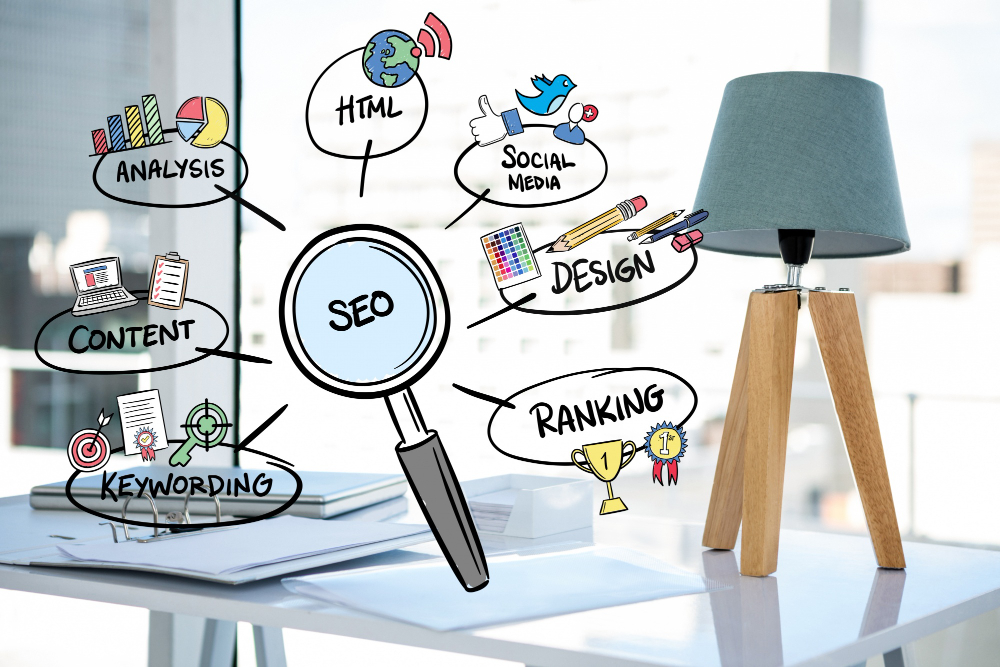
SEO Strategies That Work 2024

Thriving in the Algorithm Age: SEO Strategies That Work in 2024 – Visual Marketing

By Latest News No Comments

In the ever-evolving landscape of digital marketing, staying ahead of the curve is paramount for businesses looking to succeed online. As we step into 2024, search engine algorithms continue to evolve, making it crucial for marketers and website owners to adapt their SEO strategies. This article will delve into effective SEO strategies that can help you not only navigate the complex world of digital marketing but also thrive in the algorithm age.

Implementing these strategies will not only boost your website’s visibility but also drive targeted traffic, ultimately leading to increased conversions and sustained business growth.

Understanding the Algorithmic Landscape

Search engines, armed with increasingly sophisticated algorithms, continuously refine their methods for ranking websites. In 2024, it’s crucial to understand the key factors that influence search engine rankings. While traditional SEO elements like keywords and backlinks remain essential, new factors such as user experience, mobile-friendliness, and page loading speed are gaining prominence. To navigate this landscape effectively, marketers need to stay abreast of the latest algorithm updates and industry trends. This understanding enables strategic optimisation, ensuring your website aligns with search engine preferences and adopts effective SEO strategies for 2024.

Benefit: Higher Rankings and Credibility

A comprehensive understanding of the algorithmic landscape will empower you to optimise your website effectively, resulting in higher rankings and enhanced credibility within your industry. By staying informed, you position your brand as an authority, gaining the trust of both search engines and your target audience.

User-Centric Content Creation

Content has always been king in the realm of SEO, but in 2024, a shift towards user-centric content is more pronounced than ever. Search engines are becoming increasingly adept at understanding user intent, so creating content that addresses the needs and queries of your target audience is vital. To achieve this, conduct thorough audience research to identify their pain points, preferences, and interests. Craft content that not only incorporates relevant keywords but also resonates with your audience on a personal level.

Benefit: Improved Engagement and Loyalty

By providing valuable and relevant content, you not only cater to the needs of your audience but also build trust and loyalty. Improved engagement metrics, such as longer time on page and lower bounce rates, signal to search engines that your content satisfies user intent, positively impacting your rankings.

Embracing Video Content

The prevalence of video content continues to rise, and search engines are prioritising it in their rankings. Integrating videos into your content strategy can significantly impact your SEO efforts. In 2024, consider creating engaging video content that complements your written material. Video content offers a dynamic and interactive way to convey information, providing a richer experience for your audience. Whether it’s tutorials, product demonstrations, or storytelling, videos can captivate your audience and keep them engaged.

Benefit: Diversified Content and Extended Reach

Video content adds diversity to your website, catering to different preferences. Additionally, videos can be shared across various platforms, expanding your reach and driving more traffic to your site. The multimedia experience enhances user engagement and contributes positively to your website’s overall SEO performance.

Voice Search Optimisation

Given the widespread adoption of voice-activated devices, optimising for voice search has transitioned from being a choice to becoming an imperative. Voice searches often differ from typed queries, and adapting your content to suit these conversational searches can give you a competitive edge. To optimise for voice search, focus on natural language and long-tail keywords. Anticipate the questions users might ask and structure your content accordingly. This approach aligns with the way people verbally interact with voice-activated devices.

Benefit: Capturing Emerging Market Trends

Optimising for voice search positions your brand at the forefront of emerging trends, ensuring that you remain relevant and accessible to a wider audience. As voice search continues to grow, adapting your content strategy now will give you a significant advantage in the future SEO landscape.

Technical SEO: A Foundation for Success

While content is crucial, technical SEO lays the foundation for a well-optimised website. In 2024, prioritise technical elements such as mobile optimisation, site speed, and schema markup. These factors contribute significantly to how search engines perceive and rank your site. Regularly conduct website audits to identify and address technical issues. Mobile-friendliness is a critical factor, given the increasing number of users accessing content on mobile devices. A fast-loading, technically sound website not only enhances the user experience, but also positively impacts search engine rankings.

Benefit: Improved Site Performance and Accessibility

Investing in technical SEO not only enhances your site’s performance but also ensures accessibility across different devices, leading to a positive user experience. A technically sound website not only ranks higher in search results but also provides a seamless experience for visitors, translating into improved conversion rates and customer satisfaction.

Harnessing the Power of Social Signals

The impact of social media signals on search engine rankings is steadily growing. Active participation on social platforms, sharing content, and building a strong social presence can positively impact your SEO efforts. Create shareable content and encourage social sharing to amplify your brand’s reach. Engage with your audience on social media platforms, responding to comments and fostering a sense of community. The more your content is shared, liked, and discussed on social media, the more likely it is to be recognised and rewarded by search engines.

Benefit: Amplified Reach and Brand Authority

Effective use of social signals not only boosts your content’s reach but also establishes your brand as an authority in your niche. Social signals are indicative of a brand’s popularity and influence, factors that search engines consider when determining rankings. Building a robust social presence contributes to increased visibility, credibility, and ultimately, higher search engine rankings.

Adaptability to Algorithm Updates

In the dynamic world of SEO, algorithms are subject to continuous updates. Staying informed about these changes and adapting your strategies accordingly is crucial for long-term success. Regularly monitor industry updates and adjust your SEO approach to align with the latest algorithmic shifts. Develop a flexible and adaptive mindset within your SEO strategy. Establish protocols for continuous monitoring and optimisation, ensuring that your website evolves with the changing algorithms. This proactive approach positions your website to thrive amidst the uncertainties of the digital landscape with effective SEO strategies for 2024.

Benefit: Sustained Visibility and Resilience

Adapting to algorithm updates ensures that your website maintains visibility and resilience against sudden ranking fluctuations. A proactive approach to algorithm changes not only safeguards your existing rankings but also positions your website for new opportunities. Consistent adaptability is key to sustaining online success in the ever-evolving world of SEO.

Conclusion

As algorithms evolve in 2024, these SEO strategies for 2024 aren’t merely survival tactics – they’re launchpads for digital domination. Embrace the user-centric revolution, weave your brand into emerging trends like voice search and visual content, and remain nimble as search engines shift. This adaptability breeds resilience, propelling your website beyond mere visibility, toward the pinnacle of organic reach and industry authority. Imagine a fortress of high-quality backlinks, impregnable against algorithmic tremors. Picture a content moat, brimming with user-centric gems that captivate and convert. This is the legacy you build, brick by SEO brick, ensuring sustainable growth and unwavering competitiveness in the algorithm age. So, buckle up, embrace the challenge, and let these strategies be your compass in the dynamic SEO labyrinth. Let 2024 not just be a year of survival, but a golden age of triumphant ascent.

You may also like :

Do I Need SEO? Decoding Its Importance for Success.

What is SEO? Understanding the Power Behind Your Online Visibility

Local SEO Domination: Boost Your Business

Sharing is caring!

The post ( Thriving in the Algorithm Age: SEO Strategies That Work in 2024 – Visual Marketing) appeared first on Visual Marketing Australia.
Source: Source link

graphic design trends 2024 blog image

5 Graphic Design Trends Reshaping the Visual Landscape in 2024

By Latest News No Comments

Graphic design is an ever-evolving field, constantly influenced by technological advancements, cultural shifts, and creative innovation. As we step into 2024, the visual landscape continues to transform, introducing exciting graphic design trends 2024 that redefine how we perceive and interact with design. Here are five cutting-edge graphic design trends that are reshaping the visual narrative this year:

Metaverse-inspired Designs

The concept of the metaverse has rapidly gained traction, influencing various industries, including graphic design. Designers are exploring ways to create visuals that bridge the gap between physical and digital realms. Metaverse-inspired designs integrate augmented reality (AR), virtual reality (VR), and mixed reality (MR) elements to craft immersive experiences. These designs not only captivate audiences but also offer interactive and engaging content that transcends traditional boundaries.

Metaverse-inspired graphics often incorporate 3D elements, vibrant colour schemes, and futuristic aesthetics, catering to an audience eager for novel and immersive encounters. Brands leveraging this trend in their visual content stand to captivate and retain the attention of a tech-savvy audience.

Benefit: Enhanced Engagement and Immersive Experiences

Metaverse-inspired designs represent a cutting-edge approach that integrates augmented reality (AR), virtual reality (VR), and mixed reality (MR) elements into graphic design. These designs redefine traditional visual experiences by offering immersive and interactive content. By leveraging these technologies, designers create visually captivating environments that engage users on a deeper level. Through the seamless blending of digital and physical realms, metaverse-inspired designs captivate audiences by providing unique and memorable experiences. Users are drawn into an alternate reality where they can actively participate, fostering a heightened sense of engagement and leaving a lasting impression.

This trend not only caters to tech-savvy audiences but also opens new possibilities for brands to deliver content that goes beyond conventional graphics, creating a more dynamic and memorable user experience.

Sustainable and Eco-friendly Designs

In an era marked by heightened environmental awareness, graphic designers are embracing sustainable practices to reduce their carbon footprint. Eco-friendly designs prioritise recyclable materials, minimalist approaches, and environmentally conscious messaging. These designs resonate with audiences seeking authenticity and ethical values from brands.

From using biodegradable packaging to employing renewable resources in design elements, sustainable graphic design serves as a powerful tool for brands to showcase their commitment to environmental responsibility. Consumers are increasingly drawn to companies that prioritise sustainability, making this trend not only visually impactful but also beneficial for brand reputation.

Benefit: Environmental Consciousness and Ethical Branding

In response to growing environmental concerns, the shift towards sustainable graphic design practices is gaining momentum. By utilising eco-friendly materials, minimising waste, and adopting sustainable printing methods, designers reduce their ecological footprint. Brands embracing sustainable design convey a strong commitment to environmental responsibility, resonating with consumers who prioritise ethical values.

Beyond mere aesthetics, sustainable designs reinforce a brand’s image as a socially responsible entity. This commitment to sustainability enhances brand credibility and loyalty among eco-conscious consumers. By aligning with environmental causes, brands not only contribute positively to the planet but also establish themselves as ethical and forward-thinking, thereby enhancing their overall reputation.

Nostalgic Retro Aesthetics

Nostalgia continues to influence design trends, with a resurgence of retro aesthetics from various eras, including the ’80s and ’90s. Vintage-inspired colour palettes, typography, and graphic styles evoke feelings of nostalgia, creating a sense of familiarity and emotional connection with the audience.

By tapping into nostalgic elements, brands can establish a sense of authenticity and relatability, appealing to both older demographics reminiscing about past trends and younger audiences fascinated by the retro aesthetic. This trend enables brands to differentiate themselves in a crowded market while fostering a strong emotional bond with their consumers.

Benefit: Emotional Connection and Brand Authenticity

Nostalgia-driven design trends evoke powerful emotions by drawing inspiration from past eras like the ’80s or ’90s. By incorporating retro aesthetics, designers tap into the audience’s collective memory, eliciting feelings of nostalgia and familiarity. This emotional resonance fosters a deeper connection between the audience and the brand.

For brands, leveraging nostalgic elements creates an opportunity to establish authenticity and uniqueness in a crowded market. By triggering positive associations with the past, brands can build trust and loyalty among consumers. This emotional connection transcends mere aesthetics, allowing brands to communicate their values and personality effectively, thus forging lasting connections with their audience.

Abstract and Artistic Typography

Typography has evolved beyond traditional fonts, with designers experimenting with abstract and artistic letterforms. Unique typographic compositions, hand-drawn lettering, and experimental font pairings serve as focal points in graphic design, allowing brands to express their identity in a visually captivating manner.

Abstract typography enables brands to stand out by creating a distinctive visual language that reinforces their message and values. When used strategically across various platforms, this trend elevates brand recognition and establishes a strong visual identity, leaving a lasting impression on the audience.

Benefit: Distinctive Brand Identity and Visual Impact

Abstract typography and artistic letterforms offer a departure from conventional font usage, allowing brands to create visually striking and distinctive identities. By employing unique typographic compositions, unconventional fonts, and creative layouts, brands craft a visual language that sets them apart from competitors.

This trend not only enhances brand recognition but also reinforces brand messages and values through visual storytelling. Abstract typography serves as a powerful tool for brands to communicate their identity, leaving a memorable impression on audiences. By embracing unconventional typographic styles, brands can effectively convey their personality, positioning themselves as innovative and distinct within their industry.

Augmented Data Visualisation

Data visualisation has taken a leap forward with augmented techniques that transform complex information into visually appealing and understandable graphics. Augmented data visualisation incorporates interactive elements, animations, and storytelling techniques to make data-driven content more engaging and accessible.

By presenting data in visually stimulating formats, brands can effectively convey complex information while maintaining audience interest and comprehension. This trend not only enhances user engagement but also empowers brands to communicate their insights and narratives more effectively across various digital platforms.

Benefit: Enhanced Information Delivery and User Engagement

Augmented data visualisation transforms complex information into visually compelling graphics by integrating interactive elements and storytelling techniques. By presenting data in a visually appealing format, brands effectively communicate insights and narratives to their audience. This trend facilitates a deeper understanding of information by making it more accessible and engaging for users.

For brands, augmented data visualisation is a means to not only convey complex data, but also to captivate and retain audience attention. Interactive elements and engaging visuals make information more digestible, leading to improved comprehension and retention. Consequently, brands can leverage this trend to deliver compelling narratives, drive engagement, and establish themselves as authorities in their respective domains.

Conclusion

In 2024, the graphic design landscape is characterised by transformative trends that transcend mere aesthetics. These trends signify a convergence of technological innovation, societal values, and creative expression, offering brands and designers unprecedented opportunities.

From metaverse-inspired designs that blur digital and physical boundaries to the emphasis on graphic design trends 2024, sustainability, and eco-friendly practices, each trend presents unique advantages. Nostalgic retro aesthetics evoke powerful emotional connections, abstract typography sets brands apart, and augmented data visualisation enhances information delivery.

These trends are not just stylistic choices but strategic tools for brands to engage audiences, communicate values, and forge lasting connections. By embracing these trends, brands can navigate the evolving visual landscape, establishing authenticity, credibility, and resonance with their audience. As 2024 unfolds, these trends will continue to redefine the parameters of creativity, innovation, and storytelling in graphic design, shaping the future of visual communication and brand identity.

You may also like:

Graphic Design: Elevate Your Brand with Striking Visuals

The Art of Effective Branding and Graphic Design

Benefits of Hiring a SEO Consultant Blog Image

10 Benefits of Hiring a SEO Consultant

By Latest News No Comments

Are you already doing SEO or are willing to start? A common question is whether or not to outsource to an SEO consultant to optimise your website for search engines. Just as with any other function in your company, SEO can be done in three different ways: DIY, in-house, and outsourced.

In this post we will be describing the third solution, calling to SEO marketing Gold Coast services, and explain why this alternative is the most cost-effective and convenient for a large majority of small businesses. So, here are the 10 main benefits of collaborating with a Gold Coast digital agency for search engine optimisation:

1.    Expert keyword research

When I say expert-level SEO I mean that in all aspects, by the way. When hiring a consultant or a SEO agency Gold Coast, you take advantage of industry expertise and benefit from the input of an individual who excels in that area to deliver the best results for your business. Struggling to do your SEO alone can make you lose out on important traffic without even knowing why.

A consultant or an agency, on the other hand, will do for you the following: monitoring industry news channels, checking website health for various issues, diagnosing issues that cause penalties and drops, offering development advice, and using important industry platforms to their maximum potential.

2.    Performing website audits

Because SEO consultants have experience with brands just like yours, they have a solid understanding of what strategies work best and when to implement them. Before creating an action plan, a professional SEO consultant will perform a website audit to assess your current situation. They will analyse your website from an SEO perspective and make recommendations on how to improve it.

The most important aspects to be checked are individual web pages, content and meta descriptions, general site performance and authority of your website. The audit will enable the SEO internet marketing specialist to determine if search engine algorithms can understand what your website is about.

3.    Researching competitors

Competitor research is another benefit offered by a SEO agency Gold Coast as the experts will look at who your competitors are, what keywords they are ranking for, and how your website can rank even higher for the same keywords.

You may know who your competitors are, but finding your online competition through manual search can be difficult; SEO consultants, on the other hand, use tools to automate this process and obtain the relevant information a lot faster. For instance, if your competitors have a top-ranking article on how to choose the right makeup products for your skin, you will need to create a more comprehensive guide for your website in order to outrank them.

Other aspects of competitor research include identifying content gaps that you can fill to your advantage, analysing competitor backlink profiles, monitoring keyword rankings, and determining where competitors’ PPC keywords rank in paid search.

4.    Top-notch technical SEO

Technical SEO is often an obstacle for DIY-ers looking to bring their website to the first page of search engine results. This part of SEO refers to optimising the architecture of your website to make it easier for search engines to index your webpages.

Main areas of technical SEO include securing your website with SSL, making your website mobile responsive, creating a sitemap, establishing folder structures that search engines can easily crawl, and improving page load speeds. Other aspects that make a website easier to navigate are eliminating broken links, avoiding duplicate content, creating structured data markups, ensuring a strong XML sitemap, etc. When interviewing a marketing firm Gold Coast, ask about their experience with technical SEO as a standard digital marketing consultant may lack this type of skills.

5.    Being up-to-date with the latest algorithm changes

SEO is constantly evolving and the strategies that worked months ago may not be effective anymore today. A major part of any SEO role is staying on top of the trends and algorithm changes. If you or an employee providing in-house SEO services lack the time to research and watch trends, SEO agencies dedicate a good part of their time to do this. Someone with years of experience already knows what works and what doesn’t and is also able to adapt quickly to sudden algorithm changes.

6.    Access to various tools and resources

Some areas of marketing can be covered with minimal resources, such as a computer with an Internet connection and a text processor, but SEO is quite different. Obtaining professional insights on your website is only possible through the use of SEO tools like Google Analytics which monitor site traffic and KPIs, keyword research tools that align keyword strategies with your audience’s interests, competitor analysis tools, and link-building tools.

Many of these tools are available on a subscription and this can add up to your digital marketing costs. A consultant or an agency, on the other hand, can gain access to SEO tools and resources in a more cost-effective manner as they are using the same apps for multiple clients.

7.    Measuring the success of SEO campaigns

A reliable SEO consultant from a professional marketing firm Gold Coast will always keep you updated by providing detailed reports that show your website’s progress over time. This allows you to see exactly what’s working and what’s not so you and the consultant can make the necessary changes.

A professional consultant will always be open and honest about SEO metrics and the results of their work. You can arrange for you to receive a detailed monthly report that shows all the work the consultant has done, while doing your SEO in-house can result in neglecting reporting and evaluation because you will tend to prioritise other urgent tasks.

8.    Benefiting from complementary services

SEO is not a separate field but is connected to almost every other facet of marketing, such as web development, graphic design, content creation, advertising, and others. If you need SEO, chances are you will also need at least one of the complementary services, and collaborating with a SEO marketing Gold Coast company enables you to access other resources, such as email marketing solutions, managed WordPress hosting services, PPC marketing or CRM systems integration.

If you collaborate with a SEO consultant and you need additional services, if they don’t do them, that expert should be part of a professional network and be able to recommend you a skilled contractor who can.

9.    Low commitment

When you are new to a field such as SEO and want to do it at a high level, you will have to dedicate a lot of time and effort to be able to master it. Meanwhile, your business still needs to be run skilfully and your company operations could be hampered by your lack of involvement.

Hiring someone to do SEO in-house is not always the best option, either. Having an employee for SEO and marketing costs you more than hiring an agency or a consultant, especially when your SEO service needs are seasonal or limited. When it comes to employment, there is also the risk of a bad hire, which can cost you several times the salary of that person.

Collaborating with a SEO consultant remains the best option due to flexibility and the possibility to go on separate ways if you are not happy with the contractor’s services.

10. Being able to focus on what you do best

For the 10th benefit, let’s move to what’s the most important reason to hire a SEO consultant: you and your well-being.

Outsourcing SEO and other functions that you are not able or willing to cover will ensure more time for you to run and develop your business or simply relax! Instead of becoming the frustrated “Jack of all trades, master of none”, you can concentrate on the type of activities that enable you to create value for your company and let a SEO consultant to tame those search bots.

Sharing is caring!

The post ( 10 Benefits of Hiring a SEO Consultant) appeared first on Visual Marketing Australia.
Source: Source link
You Might Also Like:

Graphic Design: Elevate Your Brand with Striking Visuals

Social Media Presence Blog Image

Importance of Social Media Presence

By Latest News No Comments

Social media has become an integral part of our daily lives. Whether we’re checking Twitter, scrolling through Instagram, or watching videos on TikTok, we’re constantly connected to the world around us. For businesses, social media presents an opportunity to connect with customers, build brand awareness, and increase revenue. However, managing social media can be a daunting task, particularly for small businesses with limited resources.

Here are some steps to help you make the most of social media management:

Set clear goals and objectives.

The first step in setting goals and objectives for social media posting is to identify your overall business objectives. What do you want to achieve through your social media presence? Is it to increase brand awareness, generate leads, drive traffic to your website, or something else? Once you have a clear understanding of your business objectives, you can create specific goals and objectives for your social media strategy.

One way to create goals and objectives is to use the SMART framework. SMART stands for:

    • Specific
    • Measurable
    • Achievable
    • Relevant and
    • Time-bound

Let’s break down each of these components and see how they can be applied to social media posting.

Specific:

Your goals and objectives should be specific and clearly defined. Instead of setting a general goal like “increase social media engagement,” make it more specific by stating “increase social media engagement by 20% within the next 3 months.”

Measurable:

Your goals and objectives should be measurable so that you can track your progress and make adjustments as needed. Use metrics like likes, shares, comments, and website traffic to measure your success.

Achievable:

Your goals and objectives should be attainable, meaning that they are realistic and achievable. Setting unrealistic goals can lead to frustration and burnout. Make sure that your goals are challenging but not impossible.

Relevant:

Your goals and objectives should be relevant to your overall business objectives. Make sure that they align with your company’s values and mission.

Time-bound:

Your goals and objectives should have a specific timeframe for completion. This helps keep you accountable and on track. Set deadlines for your goals and objectives, and monitor your progress regularly. Setting goals and objectives for social media posting is essential for any successful social media strategy. Use the SMART framework to create specific, measurable, achievable, relevant, and time-bound goals and objectives that align with your overall business objectives. With a clear plan in place, you can effectively use social media to achieve your goals and drive business success.

Know your audience.

In any form of communication, it’s important to know your audience. Understanding who you’re speaking to can greatly impact the effectiveness of your message. By taking the time to learn about your audience, you can tailor your message to their needs, interests, and preferences, leading to better engagement and greater success.

Knowing your audience can take many forms. It might involve understanding their demographic information, such as age, gender, and location. Knowing their interests and hobbies, their occupation or industry, or their level of education. It might involve understanding their goals, challenges, and pain points. The more you know about your audience, the better you can speak to them in a way that resonates.

Let’s look at an example. Imagine you are the marketing manager for a new line of sports equipment designed for women. Your goal is to create a social media campaign that promotes the line and encourages women to purchase the products. To do this effectively, you need to know your audience.

Research Demographic Information

First, you might research demographic information about women who participate in sports. You might find that women between the ages of 18 and 34 are the most likely to engage in regular physical activity. You might also find that women who participate in sports have higher incomes and education levels than those who do not. Armed with this information, you can create a targeted campaign that speaks directly to this demographic.

Interest and Hobbies of Target Audience

Next, you might consider the interests and hobbies of your target audience. Perhaps they are interested in fitness and wellness, or they enjoy outdoor activities like hiking and camping. You might incorporate these themes into your messaging and visuals, using images of women using the equipment in nature or promoting the health benefits of regular exercise.

Goals and Pain Points of Target Audience

Finally, you might consider the goals and pain points of your target audience. Perhaps they are looking to improve their performance in their sport, or they struggle to find equipment that fits their body type. You might create messaging that speaks directly to these concerns, highlighting the features of your products that address these issues.

Knowing your audience is a critical component of effective communication. By understanding who you are speaking to, you can tailor your message in a way that resonates with them, leading to better engagement and greater success. Whether you’re creating a social media campaign, giving a presentation, or writing an email, taking the time to learn about your audience is always worth the effort.

Measure and adjust.

In the fast-paced world of business, it is essential to have a solid strategy to stay competitive and succeed. However, simply having a plan in place is not enough; it is crucial to measure and adjust that strategy as needed to ensure its effectiveness. Business strategies are not set in stone; they must be flexible and adaptable to changing market conditions, customer needs, and other external factors. Measuring and adjusting your business strategy allows you to keep pace with these changes and make the necessary modifications to stay relevant and successful.

By measuring the effectiveness of your marketing strategy, you can identify areas that need improvement or adjustment. This allows you to allocate resources more effectively and make informed decisions about where to focus your efforts. Additionally, measuring and adjusting your strategy allows you to stay agile and responsive to new opportunities and challenges.

Example: Measuring and Adjusting a Marketing Strategy

To illustrate the importance of measuring and adjusting business strategies, let us consider an example of a marketing strategy for a small business. Imagine that a local coffee shop has recently launched a new line of organic, fair-trade coffee, and they want to develop a marketing strategy to promote this product and increase sales.

Step 1: Define Goals and Metrics

The first step in developing a marketing strategy is to define your goals and the metrics you will use to measure success. For this example, the coffee shop’s goal is to increase sales of their new organic coffee by 20% within the next quarter. The metrics they will use to measure success are the number of new customers who try the product, the number of repeat customers who purchase the product again, and the total revenue generated by the new
product line.

Step 2: Develop a Plan

Once goals and metrics have been defined, the coffee shop can develop a plan to achieve those goals. They decide to launch a social media campaign targeting eco-conscious consumers and promote the new organic coffee as a sustainable and socially responsible choice. They will also offer a discount on the new coffee to first-time customers and provide samples to encourage repeat purchases.

Step 3: Measure Effectiveness

After implementing the marketing plan, the coffee shop begins to measure the effectiveness of the strategy. They track the number of new customers who try the product, the number of repeat purchases, and the revenue generated by the new product line. They also monitor their social media campaign to see how many people are engaging with their posts and website.

Step 4: Adjust Strategy

Based on the collected data, the coffee shop realises that the social media campaign is not as effective as it had hoped. They decide to shift their focus to email marketing and direct mail campaigns to target their local community more effectively. They also adjust their discount offer to be more attractive to repeat customers.

Step 5: Re-Measure Effectiveness

After adjusting its strategy, the coffee shop continues to monitor the metrics and measure the effectiveness of the new plan. They find that their new approach generates more repeat purchases and higher revenue, and they can achieve their goal of a 20% increase in sales of their new organic coffee within the next quarter.

Closing Remarks

Measuring and adjusting business strategies is a critical component of success in today’s fast-paced business environment. By defining clear goals and metrics, developing a plan, measuring effectiveness, and adjusting as needed, businesses can stay competitive and responsive to changing market conditions. The example of the coffee shop’s marketing strategy demonstrates how this process can be applied in practise to achieve measurable results.

Social media management can be a powerful tool for businesses to connect with customers and grow their brands. By setting clear goals, knowing their audience, and measuring and adjusting their strategies, businesses can make the most of their social media efforts.

Sharing is caring!

The post ( Importance of Social Media Presence) appeared first on Visual Marketing Australia.
Source: Source link
You Might Also Like:

5 Graphic Design Trends Reshaping the Visual Landscape in 2024